As this municipality election season kicks off, a recent North Carolina Senate bill may impact some voters.
NC SB 382 covers a wide range of topics, from Hurricane Helene disaster relief to various law changes. Section 3A outlines several administrative changes to Board of Elections processes, including shortening the deadline to cure ballots. When a ballot is cured, the voter is able to fix issues that are preventing it from being counted. These issues are often small, technical errors.
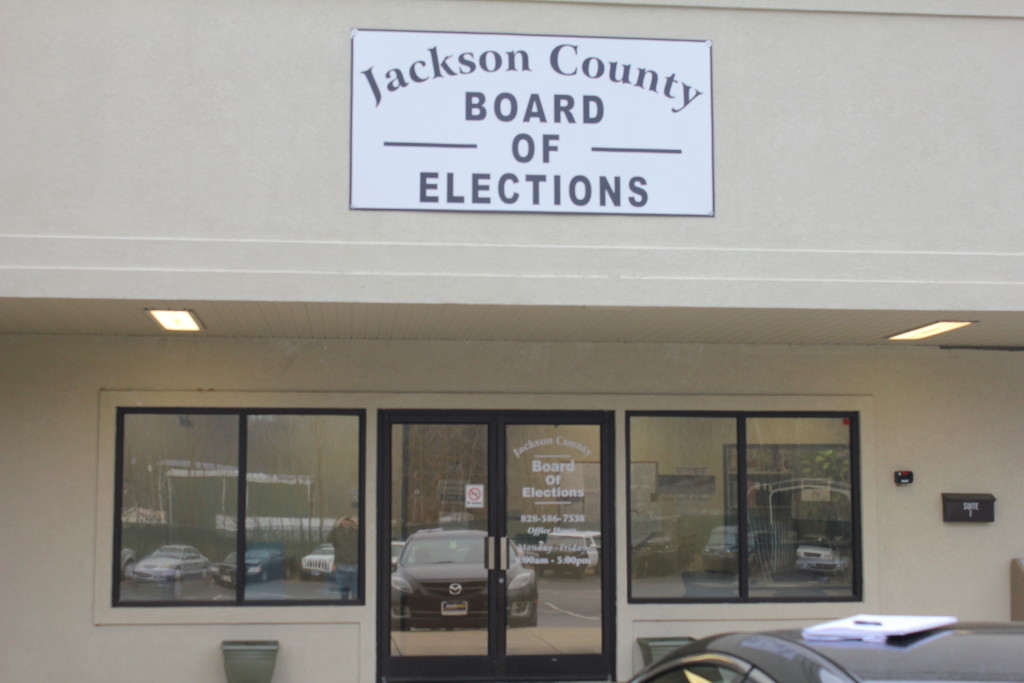
Jackson County Board of Elections Director Amanda Allen says provisional ballots seem to be where the most impact could happen.
For each provisional ballot, election officials must research each voter to confirm their eligibility to vote and reach out to the voter to fix the issue. Under SB 382, election officials must have this process completed for each provisional ballot by 5 p.m. on the third business day after the election. Previously, this process did not need to be finalized until canvass, 10 days after the election.
Provisional ballots are ballots cast tentatively. This often happens when voters move without updating their voter registration or when poll workers unintentionally misspell names. These ballots must be cured before the vote can be counted.
“We don’t usually get a ton of provisional votes during the municipal, but whenever we have more widespread, more popular elections, we have more people come in and that’s when we have more provisionals,” Allen said.
Even with fewer provisional ballots, municipal election voters may still be impacted this season with less time to update their registration if they make a mistake.
“For the vast majority of ballots, it’s not going to be a big deal. But for the ones that it is a big deal, it is a very big deal and it can have a huge impact,” WCU political science professor Chris Cooper said.
Cooper says that this bill will likely lead to fewer provisional ballots being accepted.
“We know that younger people and people of color are generally more likely to both use provisional ballots and to have provisional ballots rejected,” Cooper said. “And so not only will it have an impact, it will have a differential impact, or a differential effect, based on who you are in your demographics and your life experience.”
At the Jackson County Board of Elections, Allen says that her team will have to change some practices to meet the closer deadline.
“Instead of waiting until canvass, if there are provisional ballots that are occurring during early voting, we’re going to start researching those the day they come in. We can’t wait and do them as a group,” Allen said.
The Board will also have more pressure to get ahold of provisional and absentee voters if their ballots are missing information.
“It puts a lot of pressure on the county board of elections without really any additional funding or resources,” Cooper said.
To be best prepared for this election, Allen encourages voters to be prepared early.
“Make sure your status is active, make sure your information is correct, that you are not on the registration repair project list. So do everything ahead of time to eliminate any potential barriers that might lead to you needing to vote provisionally,” Allen said. “If you vote absentee, read the instructions all the way through, make sure you include everything you need to include.”
The bill was first filed in March 2023. After being vetoed and undergoing multiple rewrites, it passed in the NC Senate in December 2024, just after the presidential elections. The 2025 local elections are the first time this bill will be in effect.
There is a chance this is also the last election season under this bill’s guidelines. NC House Bill 958, currently under consideration, proposes extending the deadline for provisional and absentee ballots to be cured. If passed, this new bill would impact the primary elections in March 2026.
“I think an important point to make is that election law changes,” Allen said. “It can change very quickly.”