As the federal government shutdown continues on for over one month, concerns have emerged on what this means for the average person.
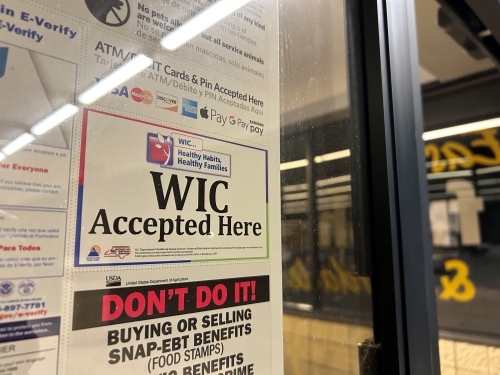
Amid the shutdown’s impacts, SNAP benefits were not rolled out on Nov. 1.
North Carolina Department of Health and Human Services says that “this means no new benefits will be added to EBT cards in November unless federal funding is restored.”
Supplemental Nutrition Assistance Program, or SNAP, helps around 4,000 low-income people in Jackson County afford groceries. With SNAP, funds are loaded on to users’ EBT cards and available to use at eligible stores.
“SNAP provides food benefits to low-income families to supplement their grocery budget so they can afford the nutritious food essential to health and well-being,” the U.S. Department of Agriculture’s SNAP website says.
Jackson County Department of Social Services spent around $8 million on food and nutrition services in the 2023-2024 fiscal year, around 13% of the department’s total budget.
Official census data is not currently available online because of the government shutdown. According to censusreporter.org’s 2023 data, approximately 7,500, or 19.3%, of Jackson County residents are below the poverty line. Children are more impacted, with around 27% or 1,800 falling below the poverty line. In 2023, the poverty line was $60,000 for a family of four.
Leftover benefits from previous months are still available on EBT cards.
The U.S. Department of Agriculture website blames Congressional Democrats for the ongoing federal shutdown.
The shutdown started when both congressional parties were unable to come to a decision on a budget and policy.
The government has agreed to use emergency funding to restart SNAP benefits after federal judges ruled that not releasing SNAP benefits was unlawful. However, this emergency fund will only cover half of the $8 billion received by people nationwide each month. It will also likely take a while for these benefits to kick back into effect.
Local food banks and community food organizations are working to try to fill the gap and keep food on the table. North Carolina is one of several states to increase food bank funds.