The story was published in The Sylva Herald, April 1 edition
Pretty much everyone has been called on the phone by someone telling us we have won a big white Mercedes – the latest model, but first we need to wire the company a processing fee of $500 immediately while they wait on the phone.
Or your computer begins making an awful noise, then gives you the blue screen of death; but lo and behold you are saved by a popup that suggests they can fix your machine if you call the number on the screen.
I hope you realized it was a scam before clicking that link or calling that number, and know that you are not alone.
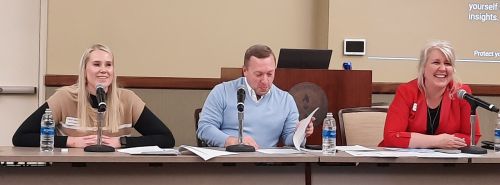
Representatives from First Bank and Sylva Police Department Assistant Chief Robbie Carter were full of warnings for the public when they held a panel discussion about fraud at Southwestern Community College on Tuesday, March 24.
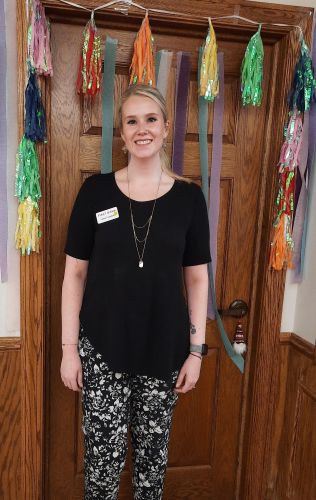
Meka Woodring, Area Retail Manager and Vice President, and Lexi Franklin, Sylva Branch Manager of First Bank explained many of the scams that had come through their bank.
Woodring began the discussion with an example of a customer she had helped regain control of her account from the hands of the scammers. The customer’s smartphone had been recording a conversation between her and her husband about a doctor’s appointment. The scammers called as if they were representatives from her health insurance company.
The customer believed them and gave them information that included credit and insurance account numbers. There was an attempt to remove money from her bank account but First Bank was able to put holds on the accounts until new numbers and cards were issued.
Romance scams are another common scam. Franklin saw a case where a customer came to the bank wishing to withdraw a large sum of money, believing he was giving it to a celebrity, he said.
When the customer was able to get the scammer on a video call to show the bank, there were small motions and sounds that Franklin was able to detect as being an AI-enhanced video image.
It’s difficult verifying someone’s identity online in the case of a romance scam, Franklin said. If a couple didn’t meet in person it is nearly impossible to know who was on the other side of the phone or computer.
“But the thing that we’re trying to do here is just bring community awareness to the community because Lexi and I, we’ve talked many a times when we had these situations and we’re sitting there with someone, especially if they’ve taken some kind of loss,” said Woodring. “And we’re like, if only we could have had this conversation with them.”
The panelists spoke of different things to be on the lookout for when trying to decide if you are being scammed, like someone claiming to be from an organization that you are familiar with, like the police department.
“That is going to sound something like, I am officer so-and-so, calling from whatever agency – the Sylva Police Department, Jackson County Sheriff’s Office,” Carter said.
Scammers frequently claim that their victim didn’t show up for court or jury duty on a particular day and there’s a warrant for their arrest. Scammers offer to make the warrant go away if you pay them. Carter said a red flag would be if they were asking to be paid by having you purchase $500 in Apple gift cards or by giving them money through Bitcoin.
“Most of the time, by the time you realize you’ve been scammed, that money’s been transferred in 100 different directions, and we’ve never been able to track it down,” Carter said.
He described another scam he witnessed in Sylva as being a computer takeover scam. The scammers used remote access to take control of the computer and gained access to passwords and accounts. They demanded $50,000 to restore her computer. When she went to the Sylva branch of her bank and tried to withdraw the money, the bank manager intervened by asking enough questions to stop the transaction.
Bank employees are getting better at spotting fraud and seeking to communicate with their customers when a scam is suspected, Franklin said.