Time to refill those sugar water feeders sitting in your garden! The annual hummingbird spring migration to North Carolina has begun.
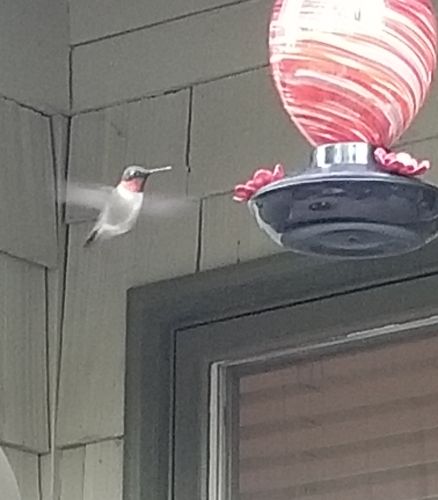
Hummingbird migration generally begins in early March and ends in mid-May. Once here, the hummingbirds will stay until August.
Dr. Jeremy Hyman, professor and department chair of biology at Western Carolina University, received his doctorate in biology from University of North Carolina at Chapel Hill, with specialized skills in Ornithology and Behavioral Ecology.
“The only thing that makes hummingbirds particularly unique is that they are so small, so they really capture our attention. To think about a bird that small making this journey of thousands of miles over a relatively short period of time is really unique,” Hyman said.
These beautiful creatures leave the region when the days in this hemisphere get shorter and the food supply is gone during the northern winter. They return in the spring when the flowers begin to bloom, and to breed in familiar territory.
Climate change can play a major role in the migration of most bird species. Hummingbirds arrival time in North Carolina has been earlier in the recent years, it is speculated that the warming climate is the culprit behind this change in behavior.
“One of the biggest problems for birds associated with a warming climate is that plants might respond very quickly to changes in temperature and start leafing out earlier,” said Dr. Hyman. “Apparently, hummingbirds are arriving earlier than they used to, which is not terribly surprising because of this change in their climate.”
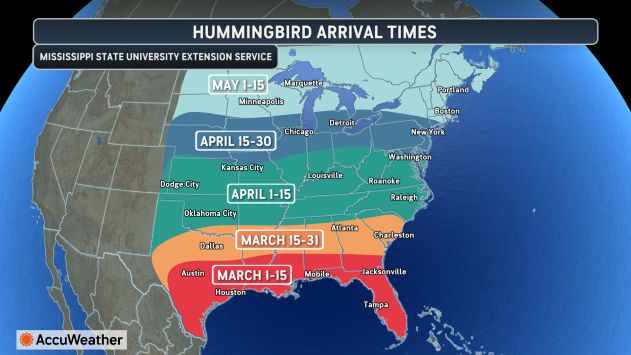
Hummingbirds spend their winters in Central America and Mexico where the weather is warmer and there is plenty of food.
The migration patterns of a humming bird is a lonely road. Hummingbirds migrate alone, traveling over thousands of miles. During this migration they cross 500 miles over the Gulf of Mexico in a singular flight.
The primary species of hummingbird in North Carolina is the Ruby Throated hummingbird. The males can be quickly spotted for their bright red colored throats. The females appear with a green and white coloring.
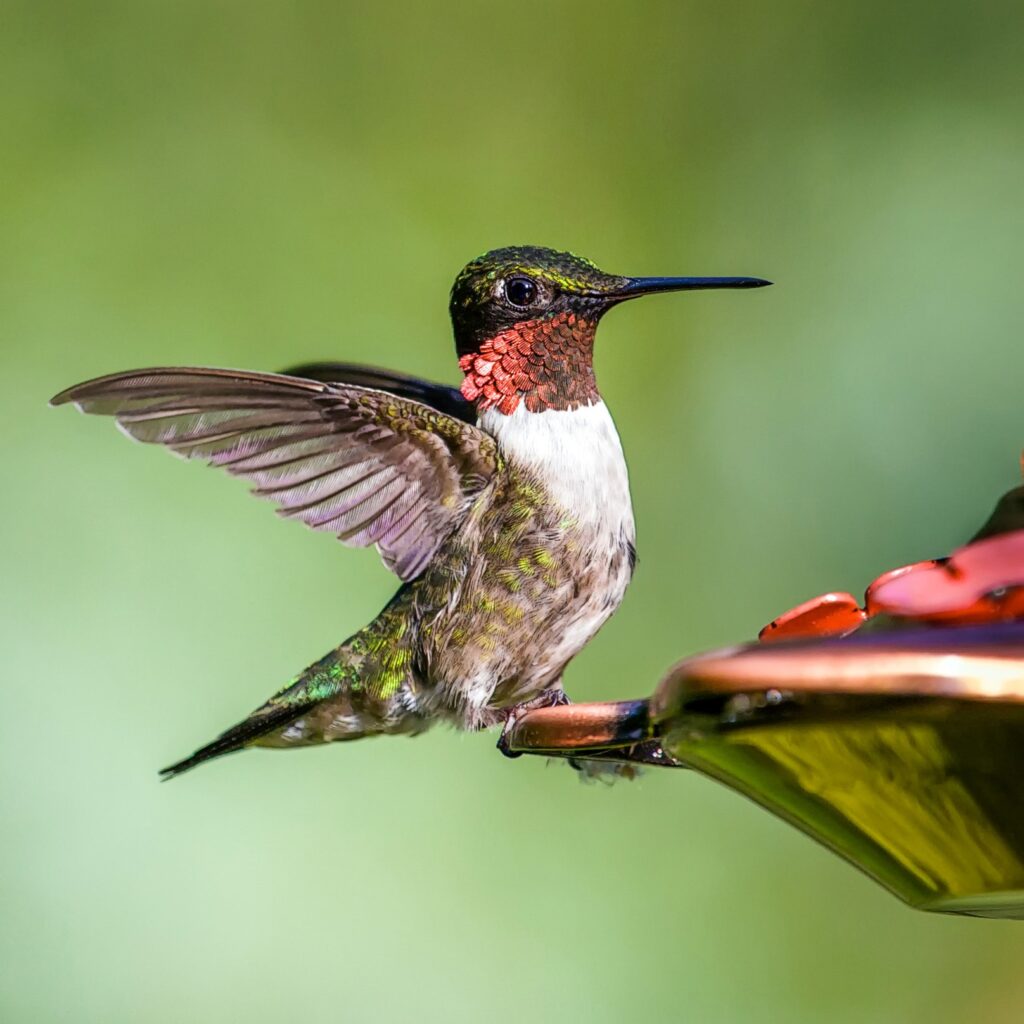
According to Birds&Bloom, male hummingbirds usually sport flashier colors to attract and impress their potential female mates.
The males flashy colors aren’t the only things that can attract hummingbirds.
Flowers like the Beebalm, Coral Honeysuckle, Cardinal and the Red Concubine provide nectar for the hummingbirds. Nectar is an essential part of the hummingbirds diet, providing them nutrients for their high speed lifestyle and long migration journeys.
”The exhaustion phenomenon, especially for birds that are making long water crossings, if they don’t have the ability to fuel up before they make that trip they might literally run out of energy before they make it across,” said Hyman.
To attract hummingbirds, the National Audubon Society suggests a few easy steps. Maintaining shrubbery in your backyard is the perfect condition for hummingbird nesting, these small creatures love to build their nest in a hidden and safe plants.
Hummingbirds also love to bathe quite frequently. By putting out a mist sprayer you are sure to attract the Ruby-Throated Hummingbird to your backyard.
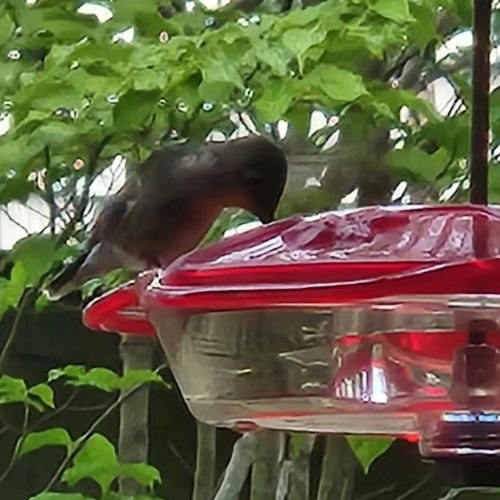
They also suggest putting out hummingbird feeders in your gardens. These feeders provide the hummingbirds with a safe supply of nectar.
Hummingbirds are very territorial and aggressive birds, they will attack other hummingbirds if they feed at sugar water feeds that they have claimed. It is because of this that the National Audubon Society suggests to spread out hummingbird feeders in backyards to avoid these attacks.
Dr. Scott Eldridge, an associate professor in the communications department at WCU, has been a hummingbird enthusiast for 15 years now, studying not only their migration patterns but also their history.
“Hummingbirds are small but mighty, you think of something so little and it seems so fragile, but they are fierce. Hummingbirds are fierce little warriors that defend their nectar and territory,” said Eldridge. “And the strength and resilience to literally fly across the Gulf of Mexico, these small but mighty birds can do amazing things.”
There are dangers to be aware of when setting out nectar feeders. Bacteria and mold can grow rapidly inside of the feeders if they are not frequently and thoroughly cleaned. This bacteria can cause life threatening harm to the hummingbirds feeding from them.