The annual World Press Freedom Day on May 3 is designed to remind the public of their duties to recognize and respect the freedom of press.
Journalists around the world marked the World Press Freedom Day with a mix of celebration and concern, as ongoing threats to media continue to shape global information.
“People need to know what’s going on in the world in order to make informed decisions about their own life. And so we need to have that freedom to find information, this is what this day means to the world,” said Debra Connelly, communication professor at WCU.
This historical day was created by the United Nations General Assembly on May 3, 1993 to commemorate the anniversary of the Windhoek Declaration.
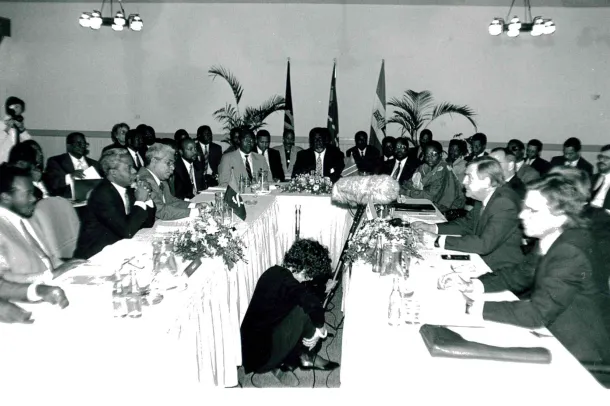
The Windhoek Declaration called for pluralistic media, press freedom and independence. It was an idea brought forth by African American journalists in Windhoek, Namibia.
The declaration’s beginnings were as a Windhoek seminar in 1991. The event was supported by 12 international agencies and in the end, facilitated change within the African government for the benefit of journalists.
UNESCO commemorates this day with the UNESCO and Guillermo Cano World Press Freedom Prize for individuals or organizations that worked to protect the freedom of press. Often times, the prize winners were faced with danger while chasing their stories.
World Press Freedom Day is important now more than ever as press freedom has seen a significant decline in the past few years.
“I think press freedom is definitely important now more than ever. We’re seeing more press freedom infringed upon by the current presidential administration and we have the administration bragging about it,” said Dave Russell, editor of the Sylva Herald. “Yeah, I think press is under attack all around the globe.”
The United States scored a 64 out of 180 on the 2026 World Press Freedom Index. The score dropped from 57 out of 180 in 2025, but this still does not pose any positives for the future of the United States press freedom.
The United States is ranked below many allies and in the same “orange” category as many developing nations. While the United States is far from the bottom, it ranks far below top performers like Norway, the Netherlands and Estonia.
The First Amendment provides protection for the press but this does not protect them from this new age of media. Journalists today face a rapidly evolving media environment shaped by digital platforms, economic pressures and increased hostility. News organizations across the country have experienced layoffs and closures, creating “news deserts” where communities lack access to reliable local reporting.
According to the Reporters Without Borders World Press Freedom Index, half the world’s countries fall into the “very serious” press freedom categories. This is the first time in world history that the index has been this low.
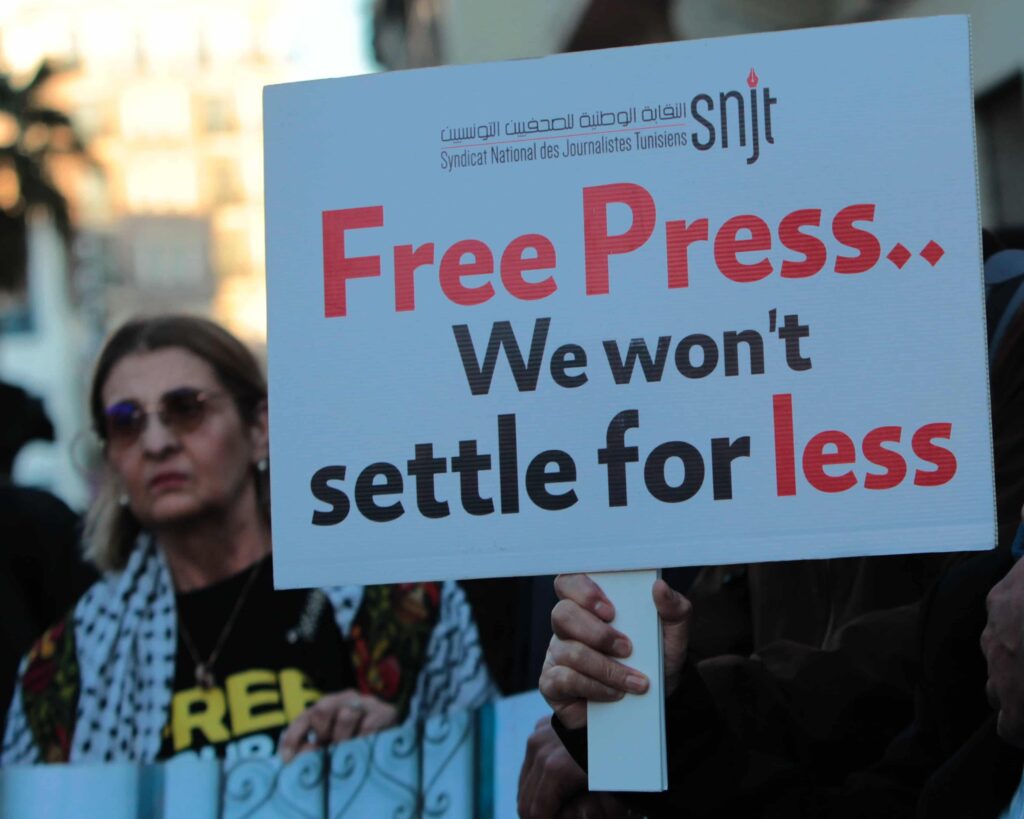
“I’ve received more threats this year than over the past five years working at the Sylva Herald. The pushback on the media that I feel is fomented by our current administration,” said Russell.
Despite these challenges, the resilience of journalists continues on worldwide. Independent reporters, student journalists and nonprofit newsrooms continue to adapt, using new platforms to reach audiences and maintain accountability.
As the media landscape continues to evolve, World Press Freedom Day 2026 shares a critical message that safeguarding journalism remains vital to creating informed societies and holding the powerful accountable.