This week we have a special edition commemorating second anniversary since Hurricane Helene devastation of Western North Carolina. Hear from our guest on the recovery efforts, the distribution of funds for projects and politics from Cory Vaillancourt, special Helene Recovery reporter for The Asheville Citizens Times and former editor at the Smoky Mountain News.
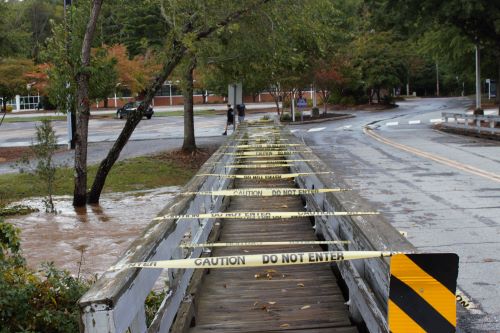
Two years ago, on Sept. 27, 2024 we knew the storm was coming and that it could be bad. All the forecasts said lots of rain and high winds. The almost constant rain that preceded the storm had the ground saturated and rivers full. The storm brought heavy rainfall and winds of over 100 mph in some areas of Western North Carolina, the excessive amount of water in the French Broad and Swannanoa rivers swept cars, trucks, houses and with all of that swept people.
North Carolina Medical Examiner data reports 107 people died in the storm or as a result of the storm. Buncombe County lost 42 people, Henderson 12, Yancey 11, Haywood 5, Madison 4. Other 15 counties across the state had reported deaths caused by the storm. The total loss of life that included other states is 250 people.
Helene was the deadliest Atlantic hurricane since Maria, in 2017, and the deadliest to strike the U.S. mainland since Katrina in 2005.
It is also the fifth costliest Atlantic hurricane on record behind Katrina, Harvey, Ian and Maria. Helene caused an estimated 78.7 billion dollars worth of damage, according to the National Centers for Environmental Information.
Hear the experiences and what are various people at WCU during Helene but also what have they done to assist the recovery, document the experiences and volunteering opportunities through the Center for Community Engagement and Service Learning.